
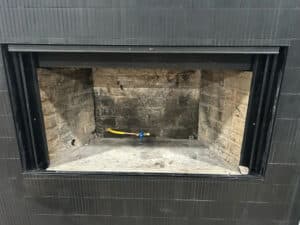
If your home has a gas fireplace or you’re considering installing one, then you might want to learn more about this appliance and its components. We’ve compiled helpful information about gas fireplaces, as well as gas fireplace parts, to help you make an informed decision about this appliance. Check it out below!
What is a Gas Fireplace?
Traditional wood-burning fireplaces are beautiful and cozy, but they can cause issues when it comes to your home’s energy efficiency. Unlike a traditional fireplace, a gas fireplace uses natural gas or propane to create a flame. Gas fireplaces provide ambiance and heat, without the need for wood or ashes. Because they don’t need to vent smoke outside like a traditional fireplace, a gas fireplace can be a more energy-efficient option that is also easier to maintain.
Common Gas Fireplace Parts and Their Uses
Common gas fireplace parts that work together to ensure safe and efficient fireplace operation include:
- The burner: The burner functions by mixing gas with air and igniting it to produce flames, providing heat and ambiance for your home.
- The gas control valve: The gas control valve regulates the flow of gas to the burner, allowing you to control the flame’s height and heat output. It also prevents gas from leaking when the fireplace isn’t in use, and can be operated manually or automatically depending on the valve. This level of control over the flames is incredibly convenient, and not as possible with a traditional fireplace.
- The thermocouple: The thermocouple is a safety device that detects heat from the pilot light and generates voltage to keep the valve open. It automatically shuts off the gas supply to prevent leaks if it detects that the pilot light has gone out.
- The venting system: The venting system ensures better indoor air quality in your home. There are a few venting system options for a gas fireplace, which include direct vent, B-vent (natural vent), or ventless systems.
- Direct vent systems pull fresh air from outside and expel combustion byproducts outdoors.
- B-vent systems draw air from inside the room and vent the exhaust through the roof.
- Ventless fireplaces don’t require any venting at all.
Servicing Your Gas Fireplace
Even though gas fireplaces typically require less maintenance and cleaning than traditional fireplaces, they still require regular servicing. Annual inspections and tune-ups, preferably before winter, can ensure your gas fireplace runs safely and efficiently throughout the season.
For expert gas fireplace servicing in Rhode Island or the Berkshires, call the expert team at Local Chimney Services! With over 12 years of experience and more than 15,000 satisfied clients, Local Chimney Services is dedicated to ensuring safety, efficiency, and long-lasting performance. Call 508-978-1064 or fill out our contact form to schedule your appointment today!
